












Winlion Casino Game Picks In Canada 2026

Winlion Casino is available in Canada, and this 2026 overview helps adults choose games, set limits, and play responsibly.

Fortune Gems 2 Slot

Table of Contents

  • The Dog House Megaways Slot
  • Lucky Joker 10 Extra Gifts Slot
  • Sword of Ares Slot
  • Floating Dragon Hold & Spin Slot
  • Leprechaun Riches Slot
  • Fruit Cocktail Slot
  • The Dog House Megaways Slot
  • Sword of Ares Slot
  • Fruit Million Slot
  • The Dog House Megaways Slot
  • Big Fisherman Slot
  • Big Fisherman Slot
  • Seven Books Unlimited Slot
  • Winlion Сasino Fortune Slot
  • Sword of Ares Slot
  • Floating Dragon Hold & Spin Slot
  • 9 Mad Hats Slot
  • Floating Dragon Hold & Spin Slot
  • Big Bass Splash Slot

Finding Winlion Casino Best Games By Style

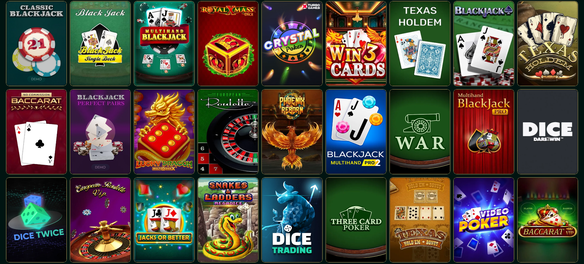
Most players do not need “more options” - they need a faster way to decide what to open first. Think in styles: quick spins when you have ten minutes, slower tables when you want rhythm, or live titles when you miss the social feel. The platform experience is built around those moods, and in Canada it usually comes down to how you browse the lobby and how you control your session.
game 1

Imagine you sit down after work with a fixed budget and one goal: relax, not multitask. If you pick a category before you pick a title, your choices get easier. You stop jumping between screens and start playing on purpose.

Start with a simple question: do you want short rounds or longer decisions? That one choice will narrow the catalog more than any “top” label ever will. Then you can look at volatility style (steady, swingy, somewhere in between) without chasing numbers you cannot verify.

Reading The Lobby Without Overthinking

Treat the lobby like a menu, not a test. You are not trying to “solve” the platform - you are just trying to pick something that fits your time and mood.

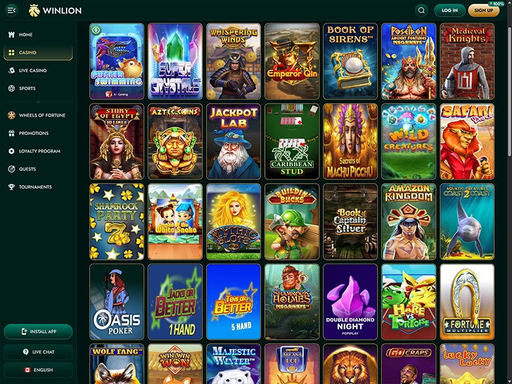
Picture this: you open the app, see dozens of thumbnails, and your brain stalls. A practical move is to pick one category, scroll until you see three themes you like, and open only one of them. If it feels wrong after five minutes, close it and choose from your other two, not from the whole catalog again.

Another trick players use is to decide the pace first. If you want fast rounds, you will naturally lean toward reels. If you want slower decisions, table options make more sense. The goal is to reduce friction so your session stays calm.

Using Filters Like A Shortlist Tool

Filters work best when you treat them like a personal shortlist builder. Instead of searching for “the best,” search for “the one that matches my plan.”

Imagine you have twenty minutes and you want a clean start. You filter by category, then by feature type (for example, bonus rounds you enjoy), then you save two or three titles to a favorites area. Now you have a small “go-to” pocket for next time, which prevents endless browsing.

If you play on weekends and prefer longer sessions, your filter logic can change. You might look for titles with slower build-ups or features that feel like milestones. The point is not to follow someone else’s ranking - it is to build your own repeatable path through the lobby.
game 2

How Winlion Games Casino Menus Usually Work

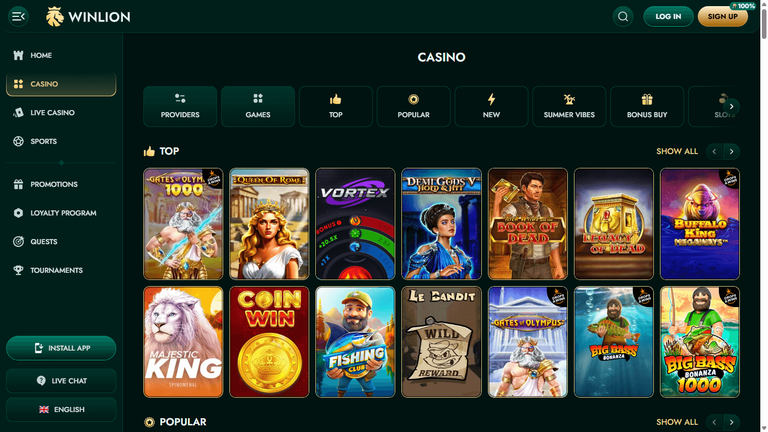
A smooth session begins before you press spin. Menus, tabs, and category pages shape your behavior more than most people admit: if it is hard to find tables, you will end up in reels; if favorites are easy, you will repeat what you already like.

Imagine you are on mobile, your connection is fine, and you just want to get into a title quickly. If you learn where the filters, search bar, and recently played section are, you spend less time clicking and more time playing within your planned budget.

Keep an eye on small cues as you browse: whether the platform shows clear rules for a title, whether demo mode is available, and whether a “recently played” list is easy to access. These little features are what make the experience feel organized in 2026.

Switching Between Slots, Tables, And Live

Switching categories mid-session is where many players drift into unplanned spending. The fix is simple: decide your “main” category for the day, then treat everything else as a short detour.

Picture a player who starts with reels, loses a few rounds, then jumps to live play hoping for a quick turnaround. Usually players do better when they set a timer for category switching (for example, “ten minutes max”), then return to the original plan or end the session. It keeps your choices deliberate instead of emotional.

If you enjoy variety, schedule it. Do reels first, tables second, and stop there. A planned sequence feels more like entertainment and less like chasing.

Slots, Features, And Session Planning

Reel titles are often where players spend most of their time because the pace is simple: tap, watch, repeat. That simplicity is also the risk - you can lose track of time and budget if you do not build a few checkpoints into your session.

Game 3

Imagine you tell yourself “just a quick break,” then forty minutes disappear. A useful habit is to set a rule like: after every ten minutes, you pause, check your balance, and decide whether to continue. It sounds basic, but it prevents the most common regret.

In 2026, many players also care about how a title “feels” on a phone: load speed, clarity, and button placement. If the layout makes you mis-tap stakes or spin faster than you intended, that is a sign to switch to something calmer.

Choosing A Title When You Dislike Extensive Browsing

If browsing drains you, choose one of these decision shortcuts: theme first, feature first, or pace first. Any one of them works, as long as you pick it before you scroll.

Imagine you open the lobby and you already know you want a bright, simple theme that does not feel heavy. You pick that vibe, then choose the first title that offers a demo. Five minutes of testing tells you more than twenty minutes of reading labels.

Players also do well when they set a stake ceiling before they start. Then the title either fits the plan or it does not. No bargaining with yourself mid-session.

Bonus Rounds And “Big Moment” Features

Features are fun because they break repetition. But they can also push you into higher stakes if you start chasing that “one more try.”

Picture a player who keeps increasing stakes because the bonus round almost triggered. The healthier move is to keep stakes stable and set a time limit for “feature hunting.” If it does not happen within your planned window, you switch titles or you stop, without trying to force the outcome.

A grounded way to enjoy features is to treat them like a surprise, not a target. You still get the excitement when it lands, but you do not pay extra just to chase it.

Volatility And Bankroll Fit

Some titles feel steady and some feel swingy. You do not need exact statistics to notice the difference: your balance either moves in small steps or it jumps and dips.

Imagine you have a small budget for the evening. A swingy title can burn through it quickly, even if it is exciting. If you want a longer session, choose something that pays smaller wins more often, and keep stakes modest.

For longer weekend play, some players deliberately split the budget: a steady title first, then a riskier one for a short finale. That approach keeps entertainment high without letting volatility run the whole night.

Table And Live Play Without Guesswork

Table options feel different because your decisions matter more. The pace slows down, and many players find it easier to keep control simply because each round requires attention.

Imagine you are tired and you do not want fast tapping. A table title can naturally enforce breaks, because you think before you act. That alone can protect your budget.

Live play adds another layer: it can feel social and immersive. The upside is engagement; the downside is that it can tempt you to stay longer than planned. Set your exit point before you join a live room, not after.

Learning A Table Title With Low Pressure

Start with low stakes or practice if available, and focus on rules, not outcomes. Your first goal is confidence, not profit.

Picture sitting at a table and feeling rushed because you do not know the buttons. Players usually do best when they spend the first few minutes just watching rounds and learning the rhythm. Once you feel comfortable, play smaller than you think you should, so mistakes are inexpensive.

If you want to keep it simple, pick one table type and stick to it for a week. Familiarity reduces impulse and helps you spot when you are playing emotionally.

Live Sessions With Clear Boundaries

Boundaries make live play enjoyable. Without them, the stream-like format can keep you in the room longer than you intended.

Imagine you join a live room “for five minutes,” then you start chatting, watching streaks, and waiting for a moment that feels right. A smart rule is to set a maximum number of rounds, not just a time limit. Once the rounds are done, leave, even if you feel curious.

If you want extra control, use a cooling-off feature when you end a live session. It creates a buffer so you do not re-enter on impulse.

Jackpots, Tournaments, And Daily Challenges

Some players love jackpots and challenges because they feel like goals. They can also create pressure, especially when there is a countdown or a leaderboard.

Imagine you see a tournament ending soon and you feel the urge to play longer “to catch up.” This is where you remind yourself: tournaments are entertainment, not a job. If your budget was set for the session, the session ends when the budget ends.

A balanced approach is to treat challenges as optional side quests. You join when the tasks match what you would play anyway. If the tasks push you into titles you do not enjoy, you skip them and keep your routine.

In 2026, many platforms also highlight “daily” activity because it drives repeat visits. The best defense is to decide your schedule first: maybe you play twice a week, maybe only on weekends. Your calendar should control the game, not the other way around.

Payments, Withdrawals, And Verification Flow In Canada

Money flow is where small mistakes become big delays. Deposits are usually fast; withdrawals can be slower, especially the first time, because identity checks are often confirmed at cashout stage.

Imagine you have a win and you want to withdraw the same night. If your profile details do not match your documents, you may end up resubmitting verification and waiting longer than expected. A simple move is to set up your account cleanly and verify early, before you care about speed.

Plan your payment method like you plan your budget. One method, one routine, clear records. It keeps your transactions tidy and makes support conversations easier if anything gets stuck.

Step In The Money Flow

What You Do

Why Players Care

Deposit setup

Choose a method and confirm currency display

Avoids confusion and overspending

First transaction

Start with a small test amount

Confirms the process works smoothly

Identity check

Upload clear documents when requested

Reduces back-and-forth later

Withdrawal request

Follow the cashier steps and double-check details

Prevents errors that slow payouts

Status tracking

Watch the request status and notifications

Helps you know when to wait versus ask

Limits and controls

Set deposit or session caps

Keeps entertainment predictable

Deposits With A “One Rule” Budget

One practical rule makes deposits safer: decide your maximum for the session before you open the cashier, then deposit once.

Imagine you lose a few rounds and feel tempted to top up “just a little.” If you already deposited once, you treat that as the limit. Usually players who stick to one deposit per session feel more in control, even when they lose.

If you need flexibility, define it upfront. For example: “one deposit, and if I want more, I wait until tomorrow.” A delay breaks the emotional loop.

Withdrawals, Documents, And The First Cashout

Withdrawals often trigger verification checks. You may be asked to confirm identity and address, and sometimes proof of payment method ownership, depending on how you funded your balance.

Picture taking a photo of a document in a dim room and getting rejected for glare or missing corners. The fix is simple: good light, full document visible, sharp focus, and the same name and address as your profile. It turns a multi-day back-and-forth into a clean approval path.

If you are ever unsure, contact support with specific details: the method you used, the amount, and the time you submitted the request. Clear information gets faster answers than frustration.

Building Your Own Winlion Casino Games List For 2026

A personal shortlist is the fastest way to stop impulse clicking. Instead of searching for something new every time, you build a small rotation that fits your schedule, your budget, and your preferred pace.

Imagine it is Friday night, you have a set amount to spend, and you do not want to browse. If you have five saved favorites, you choose one in seconds, play your planned session, and log off without the “one more scroll” trap.

A strong shortlist is mixed on purpose. You keep one or two fast titles for short sessions, one steady option for longer play, and one “high excitement” title for a brief finale. The trick is to keep the finale brief, so excitement does not turn into chasing.

In Canada, many players also want consistency across devices. If you sometimes play on desktop and sometimes on mobile, test your favorites on both. If a title feels awkward on a phone, it should not be on your shortlist.

Rotations That Match Real Life

Build your rotation around real moments, not ideals. If you usually play after work, choose titles that feel relaxing and do not demand constant decision-making.

Picture a weeknight where you are tired and impatient. A simple rotation prevents you from picking the most intense option just because it looks flashy. Players often do better when they remove “choice pressure” from the session.

For weekend play, your rotation can include longer formats, but your budget still stays the boss. Decide your end point first, then let the rotation fill the time.

Notes, Limits, And A Repeatable Routine

A routine is not boring if it protects your mood. Keep a quick note in your phone: what you played, how long you played, and whether it felt calm or stressful.

Imagine you notice you always feel tense after a certain style of title. That is useful information. You swap it out for something steadier, and your sessions improve without needing any complicated strategy.

Finally, use timeouts and cooling-off tools like guardrails, not punishments. If you had a rough session, you set a break and come back later with a clearer head. That is what responsible play looks like in 2026.

FAQ

Pick your pace first, then your category, then test one option for five minutes before committing. Many players reduce stress by saving a small favorites rotation, so they are not browsing from scratch when they are tired or distracted.

The first cashout often triggers extra checks, especially around identity and account details, so the platform can confirm the request is coming from the right person. If you verify early and keep your profile information consistent, later requests often feel more straightforward.

Set a maximum budget before you open the cashier, deposit once, and use a timer to create checkpoints. If you feel yourself chasing losses, stop, take a cooling-off break, and return only when playing feels optional again.

Use the search bar and filters first, then check any tabs like favorites or recently played to confirm you are not missing it. If the layout feels confusing on mobile, try switching orientation or clearing the app cache, then reopen the lobby with a single category goal.

Choose five titles that match real situations: short weeknight play, slower weekend play, and one brief “excitement” option. Test them on the device you use most, and remove anything that makes you mis-tap stakes or play faster than planned.

Start with practice or low stakes, watch a few rounds to learn the rhythm, and focus on rules rather than outcomes. Players usually improve faster when they stick to one table type for a week instead of bouncing between formats.

Use a timeout when you feel tired, irritated, or tempted to deposit again outside your plan, because a forced pause often breaks the impulse loop. Self-exclusion is a stronger step for longer breaks if you want a clear boundary that protects you over time.

🇬🇧 English