













Winlion Casino Review For Canada 2026

A calm 2026 walkthrough of Winlion Casino in Canada: signup, payments, game choice, limits, support, and cashouts.

Fortune Gems 2 Slot

Table of Contents

  • The Dog House Megaways Slot
  • Lucky Joker 10 Extra Gifts Slot
  • Sword of Ares Slot
  • Floating Dragon Hold & Spin Slot
  • Leprechaun Riches Slot
  • Fruit Cocktail Slot
  • The Dog House Megaways Slot
  • Sword of Ares Slot
  • Fruit Million Slot
  • The Dog House Megaways Slot
  • Big Fisherman Slot
  • Big Fisherman Slot
  • Seven Books Unlimited Slot
  • Winlion Сasino Fortune Slot
  • Sword of Ares Slot
  • Floating Dragon Hold & Spin Slot
  • 9 Mad Hats Slot
  • Floating Dragon Hold & Spin Slot
  • Big Bass Splash Slot

How To Read Player Feedback In 2026

Imagine you open a casino platform for the first time and your brain wants a quick verdict in five minutes. Most players do exactly that: one deposit, a few spins, then a “good” or “bad” label that’s more emotion than evidence. A better approach is to read feedback like a checklist, because the same issue can be a dealbreaker for one player and a non-issue for another.
Reviews 1

In Canada, what matters most is whether the day-to-day flow feels predictable: registration steps, where limits live, how the cashier confirms actions, and how support handles basic questions. When people complain, they often describe the moment they felt out of control (time, budget, or expectations). That’s the signal worth paying attention to.

What To Check Before Your First Deposit

Picture the common scene: you’re ready to fund the account, but you haven’t looked at settings once. Slow down and do a two-minute lap first - find transaction history, find limit tools, and find the help channel. If you can’t locate these basics while calm, you won’t find them while frustrated.

A practical habit is to test navigation before money enters the picture. Click into account settings, then back to the lobby, then to the cashier, then back again. Smooth platforms make this loop easy; messy ones make you feel lost, which is exactly how overspending starts.

How To Separate “Angry Stories” From Real Patterns

Imagine you read one dramatic comment that says everything is broken, and you feel your confidence drop. One loud story is not a pattern. Patterns show up when many players describe the same friction point in different words: confusing confirmations, unclear steps, or slow replies that don’t answer the question asked.

Try a simple filter: does the complaint describe a specific step and a specific screen, or is it just a mood? If it’s specific, you can test it yourself during a small trial session. If it’s pure emotion, treat it as a reminder to stay cautious, not as a verdict.

customer feedback 2

Registration And Account Setup In Canada

Imagine you sign up late at night, tired, typing fast, and telling yourself you’ll tidy details later. Later usually arrives when you want to withdraw, and that’s when small inconsistencies suddenly feel big. The calm way to start is to build a clean account trail from day one, so your future actions don’t trigger avoidable checks.

Winlion Casino is available in Canada and is intended for legal-age adults, in line with applicable rules and identity verification practices. You don’t need to overthink the legal side to behave responsibly - keep your details consistent, avoid repeated edits, and treat verification as routine, not as an emergency.

Start with stability: one email you control, one phone number you actually use, one device you trust. Players create trouble when they jump between devices, reset passwords repeatedly, and then wonder why extra security steps appear. Predictable behavior looks safer and usually feels smoother.

Now focus on profile accuracy. Don’t type your address one way today and “fix” it another way tomorrow. Even small formatting changes can create mismatches later. If you’re unsure how to write something, copy it from the same personal document each time so the wording stays consistent.

Before you play, find the responsible play tools. Imagine you get excited after a small win and your clicks speed up. Limits and reminders are easier to set before that mood arrives, not after.

Finally, plan your first deposit like a test, not a statement. Choose a modest amount that fits your budget and lets you explore the flow. If you start big, you’ll feel pressure to keep playing even when the platform feels confusing.

A Two-Pass Signup That Keeps Things Clean

Picture a two-pass routine that takes pressure off. Pass one is quick: create the account, confirm you can log in again, explore settings, then stop. Pass two happens later with a calm head: fill in remaining details carefully and double-check spelling.

If something needs changing, change one item and save. Avoid the “rewrite everything” moment when you’re annoyed, because it’s the fastest way to create inconsistency. Slow, deliberate edits keep the account history tidy and reduce frustration later.

Game Lobby Flow, Filters, And Session Pace

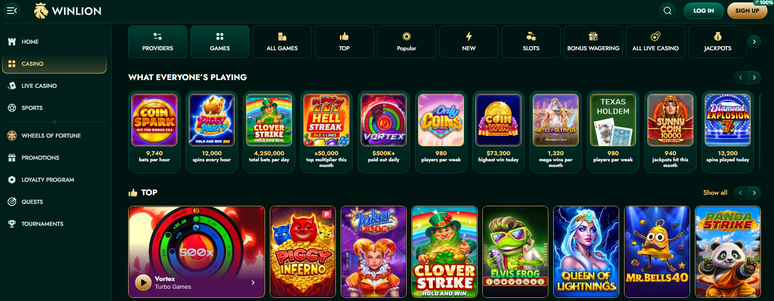
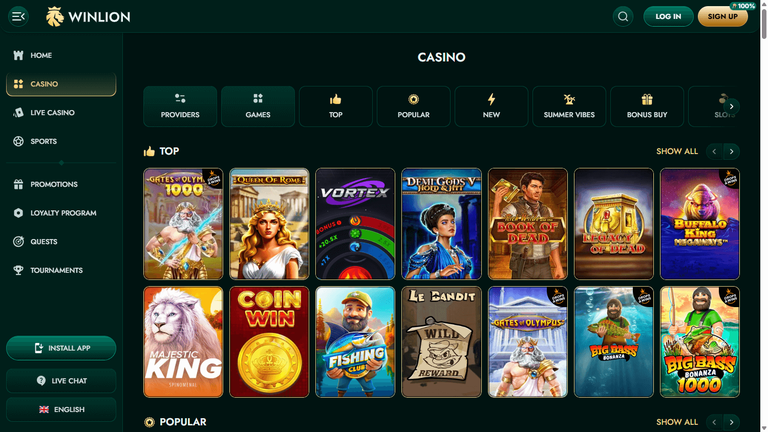
Imagine you open the lobby and see endless tiles, each one begging for a click. Many players bounce between games every two minutes, then wonder why the session feels chaotic. A calmer approach is to pick one category, use filters like a map, and keep a simple session plan: what you’ll try, how long you’ll play, and when you’ll stop.

3 reviews

Usually players enjoy a platform more when it helps them repeat a routine: search is easy, favorites are obvious, recent games are visible, and the back button doesn’t feel like a gamble. If navigation makes you feel lost, your decisions get worse, not because you’re careless, but because friction drains attention.

Deposits And Withdrawals Without Drama

Picture this: you deposit quickly, start playing, then later try to withdraw in a rush and change methods because you want it “simpler.” That switch is where many people create avoidable delays and confusion. The boring approach is the best one: one method you can repeat, stable profile details, and a calm request process.

Deposits should fund a plan, not a feeling. Decide your spending limit before you open the cashier. If you open the cashier first, your brain will negotiate with itself and stretch the budget. This is especially true after a losing streak, when “one more top-up” feels like a fix.

Withdrawals work better when you treat them like a checklist. If you’re excited, irritated, or tired, pause first. Most errors happen when players try to do admin tasks while emotional, then blame the platform for the mess they created under pressure.

If a status reads “pending,” don’t refresh constantly. Set a rule for yourself: check at reasonable intervals, and if you contact support, send facts, not frustration. Clear messages get clearer answers.

Topic

What Players Expect

What Helps In Practice

Simple Habit To Use

Funding the balance

Instant confirmation every time

Clear cashier steps and patience on slow screens

Click once, wait, then verify the status

Switching payment options

“Any method works anytime”

Consistency and matching ownership details

Use the same method for early cycles

Preparing to withdraw

Quick request with no extra steps

Completed profile and tidy verification

Handle verification on a neutral day

Checking payout status

Fast updates every minute

Scheduled checks and calm expectations

Check on a timer, not on impulse

Asking for help

They should know what happened

Exact timestamps and screen messages

Write what you did and what you saw

Choosing a payment method you can repeat

Imagine you pick the fastest option today, then tomorrow you want a different option because it feels more familiar. That back-and-forth adds friction. Choose a method you can stick with for a while, and keep the amount aligned with your planned session budget.

If the interface offers multiple steps, don’t rush them. Players often misread a confirmation screen, then continue playing while unsure whether a deposit completed. Slow down, confirm once, and move on with certainty.

A Calm Withdrawal Checklist

Picture yourself about to request a payout right after a strong session. Your hands are fast, your thoughts are faster, and that’s when typos happen. Take two minutes: confirm your profile details look consistent, confirm verification status, confirm the method you’re using, and only then submit the request.

Write down the time you requested it. This is not paranoia, it’s clarity. If you later contact support, you’ll have specifics instead of vague memory, and the conversation becomes faster and less stressful.

What To Send Support When Status Is Pending

Imagine you message support with “it’s stuck” and get a generic answer that makes you more annoyed. Instead, send a structured note: what action you took, when you took it, what method you used, and the exact word you see on the screen. One clear question beats five emotional messages.

Also avoid changing details while waiting. Players sometimes edit profile info repeatedly during a pending state, hoping it speeds things up. Often it does the opposite because it adds new variables to verify.

Understanding Winlion Casino RTP In Practice

Imagine a friend asks, “What’s the return here?” and you hear three different answers from three different people. That confusion happens because return information is usually game-specific, not a single number that covers everything in the lobby. The practical goal is not to chase a magic percentage, but to understand where the info lives and how to use it responsibly.

Treat return-to-player as a reference point, not a promise. It can help you compare games, understand how different titles are designed, and pick options that match your session style. It cannot predict what happens tonight, and it should never become a reason to keep playing past your limits.

Another reality check: some games can have different configurations. If you’ve ever wondered why one player’s experience sounds “luckier” than yours, it’s often because you’re comparing different games, different settings, or different session behaviors. Numbers don’t replace discipline.

So make it simple. Find the info inside the specific game you’re playing, read it once, then decide whether it fits your budget and time plan. If you can’t find return details easily, that’s useful feedback too - transparency and clarity are part of the experience.

Finally, use a short test session. Many players pick a game based on a number and then stay glued to it for hours. A better method is to test for ten minutes, check how you feel, then decide whether to continue or switch based on your plan, not on a statistic.

Where Return Details Usually Appear

Picture yourself in a game screen, ready to play, and you notice a small info button you normally ignore. That’s often where return details and rule summaries sit. Open it before you start, not after you’ve already played half a session while guessing.

If you don’t see anything obvious, check the game’s help or rules section. The key is to look at the specific title, not at general platform text, because general text rarely tells you what you need for a single game choice.

Using Return Numbers Without Overplaying

Imagine you find a game with a return figure that looks comfortable and you think, “This one is safer, I’ll stay longer.” That’s the trap. Use return info to choose a starting point, then let your limits control the session - timer, budget, and stop points.

A helpful habit is to review after a short block of play. Ask yourself: did I follow my plan, or did I drift because the number made me feel protected? That question usually prevents more overspending than any statistic ever will.

Mobile Use, Account Safety, And Responsible Tools

Imagine you play on mobile while waiting in line, then the “quick session” stretches into a long one because there’s no natural stopping point. Mobile access is convenient, but it also makes impulse decisions easier. The best counterweight is a routine that creates a clear start and a clear end.

Start with an external timer. Don’t rely on willpower inside the lobby. Many players intend to stop after a few minutes, but the phone makes it easy to keep tapping because everything is always in your pocket. When the timer rings, you close the session fully, not “in a minute.”

Account safety matters for comfort. If you reuse old passwords or log in from shared devices, you invite unnecessary security interruptions. Picture getting locked out right when you’re trying to withdraw - the stress comes not from the lock itself, but from the timing. Use a strong password, keep your device private, and avoid logging in on public networks when possible.

Limits are your best friend when your mood changes. Players often set limits only after they feel tilt, but by then the impulse is already loud. Set a deposit cap before you fund the account. Add session reminders so time doesn’t disappear. If you notice chasing behavior, use a cooling-off break early, like pressing pause on a loud song.

Support quality is evident in small questions. Imagine asking, “Where do I find my transaction history?” and receiving a vague reply. This signals future conversations too. When testing a platform, ask one basic question calmly and see if the answer is specific and helpful.

Keep a small personal log during your first week: what you deposited, what you played, how long you stayed, and if anything felt confusing. This isn't about suspicion. It's about reducing memory gaps that later become stress.

Most importantly, don't treat a casino session as a way to fix a bad day. If you're tired, angry, or distracted, your clicks become faster and your decisions worse. Imagine trying to make careful choices while half-asleep. The smartest play is to stop, reset, and return when you can actually think.

FAQ

A practical way to judge legitimacy is to focus on verifiable behaviors rather than promises: clear terms within the product, consistent account security steps, predictable cashier confirmations, and support that answers with specifics. Imagine testing the platform with a small budget and documenting each step - signup, a modest deposit, locating limits, and finding transaction history - then observe how stable the experience feels. If anything seems unclear, don't put more money into the flow; pause, ask support a precise question, and decide based on the clarity of the response and the transparency of the interface.

Start with navigation and control tools. Picture yourself calmly searching for deposit limits, session reminders, and transaction history before you ever open the cashier. If these basics are hard to find, that friction tends to get worse when emotions rise. A small, planned trial session is enough to see whether the platform feels predictable.

Deposits are designed to be fast, while withdrawals can trigger identity and security checks meant to protect the account. Imagine changing devices, editing profile details, and switching payment methods right before a payout request - it adds new variables to review. The smoother path is consistency: stable details, one repeatable payment option, and verification handled early when you’re calm.

Decide your stop points before you play, not after. Imagine you lose a few rounds and your brain says, “Just top up once more and I’m back” - that’s the exact moment a deposit cap and a session timer save you. Keep sessions short, take breaks between them, and treat a cooling-off pause as a normal tool, not as a dramatic last resort.

It’s commonly located inside the game itself, often behind an info or rules button that players skip when they’re eager to start. Picture yourself opening that panel before your first spin so you’re not guessing later. If the details are hard to locate, treat that as useful feedback about transparency and choose another title that feels clearer.

Send facts in a short structure: what you did, when you did it, what method you used, and the exact message you see on the screen. Imagine the difference between “help” and “I requested a payout at this time, status shows this word, no details changed today” - the second message gives the agent something actionable. Ask one question at a time and avoid changing account details while waiting.

Use an external timer and a clear closing ritual. Picture yourself opening the lobby while distracted and telling yourself it’s only for a minute - that’s how time disappears. Set a timer, play a short block, then close the app fully when the timer ends. If the screen lags or you feel impatient, stop and return later rather than tapping faster.

🇬🇧 English